
Does Floor Malted Maris Otter Taste Better?

Does Floor Malted Maris Otter Taste Better?

Does Floor Malted Maris Otter Taste Better?

Warminster wins Again!

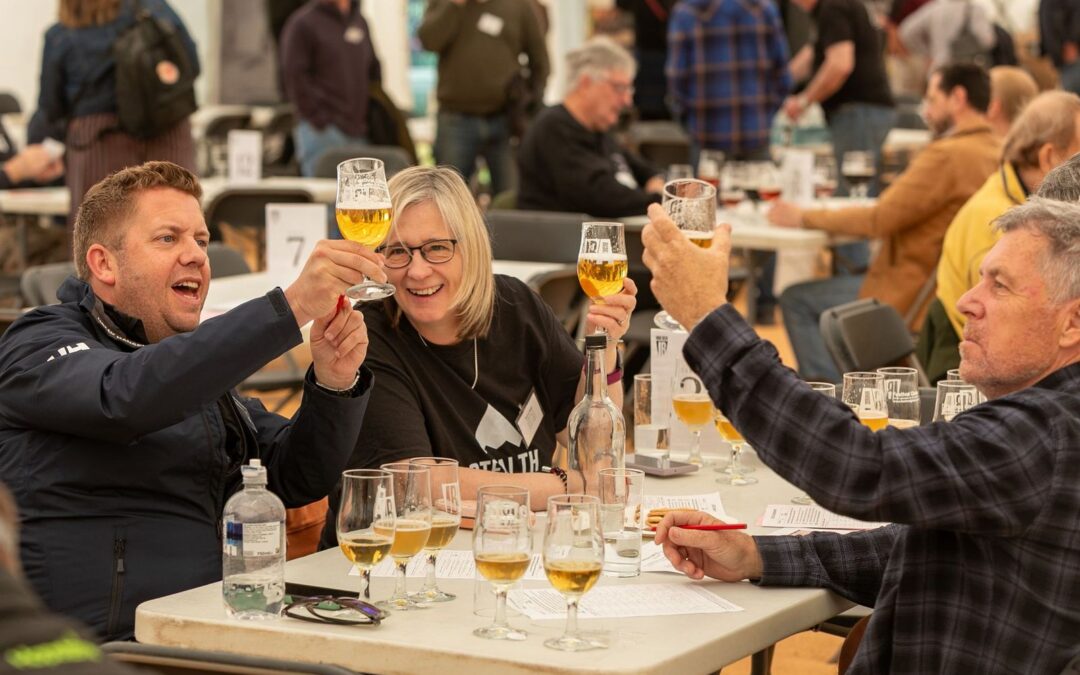
In a recent video released by The Malt Miller (Homebrew supplier based in Swindon)
they compare 3 beers brewed to exactly the same recipe but with 3 different malts:

• Floor malted Maris Otter (supplied by Warminster Maltings)

• Conventional Maris Otter (supplied by Crisp)

• Conventional Golden Promise (supplier not stated)

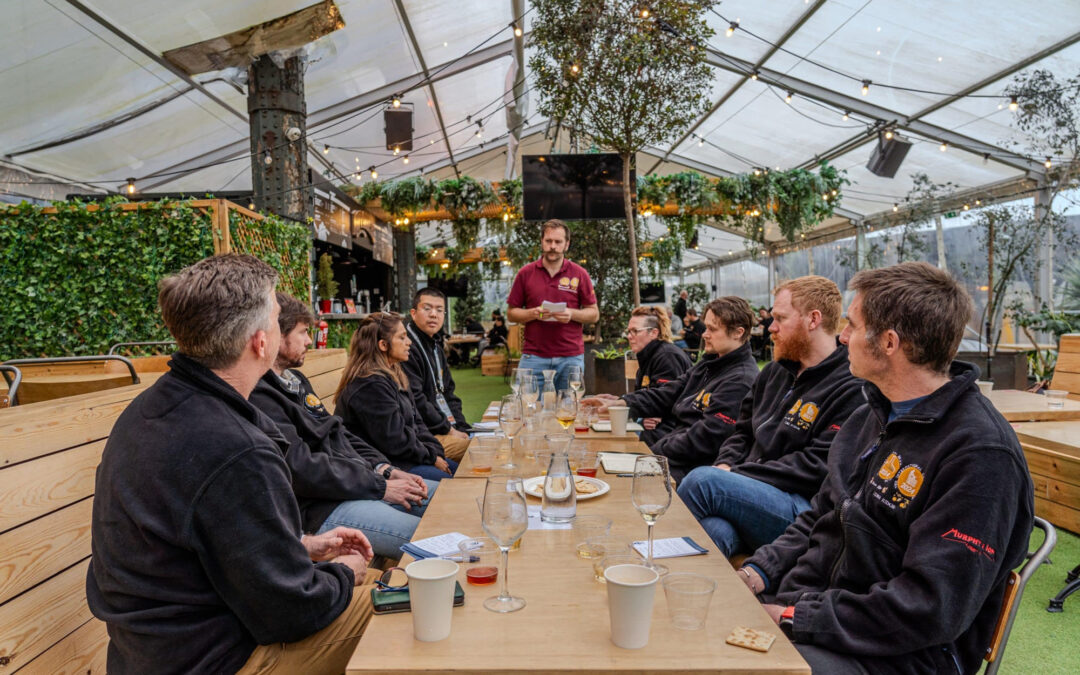
The Tasting Panel of 6 are asked to judge the beers across four categories:

Appearance

Aroma

Flavour

Mouthfeel

“Warminster Malt” wins 3 of the 4 categories – Appearance, Aroma and Flavour!

4 of the 6 Tasting Panel choose “Warminster Malt” as the best beer of the 3.

Watch the Malt Miller Video here

Robin Appel

Malt Supply Under Threat

Malt Supply Under Threat

Malt Supply Under Threat

As a small independent maltster, Warminster Maltings is one of only two left in England. With most of the UK malt production capacity now under the ownership of international conglomerates, it is suggested our place in the market, be it ever so small, could be more critical to the Craft Brewery sector than it has ever been.

This is because the multi-nationals are operated around policy decisions that are made outside of the UK. These decisions are ruthlessly focused on the bigger, more global picture. International maltsters are almost certainly aligned with international brewers, and based on past experience, they have little enthusiasm for anything that punctuates large scale malt production. It is why their products have been dubbed “commercial malt”.

The current drop in the demand for malt from the Scotch whisky sector, and a slightly slower beer market, does mean that UK malt production presently exceeds demand. Malting companies are digesting this. Hugh Baird has announced the closure of it’s Pentcaitland maltings (60,000 tonnes p.a.) in Scotland. There is talk, but it is only talk, that more malt capacity might follow suit.

But the Scotch whisky market expects to be back on track by the end of 2027. If beer sales were to pick up as well, there is a very real chance of a complete reversal in the supply/demand ratio for malt.

Historically, the malting industry has been slow to adjust to change. Investment in new plant is hugely expensive, and so maltsters will understandably err on the side of caution. UK Craft Brewers’ overall demand for malt is probably not even 100,000 tonnes per annum. Removal of more than that capacity now from the UK malt market would not be a good omen.

Robin Appel

Terroir Matters

Terroir Matters

Terroir Matters

Pubs and beer sales are under pressure. But a Government sponsored Licensing Task Force may be about to come to the rescue. It is making a number of key recommendations: an extension of Opening Times and easing procedure; an extension if not reform of Business Rate Relief for pubs; employment incentives to offset the National Living Wage costs; and a review of Excise Duty for cask ale. The importance of the pub as a community space is a message that politicians, at last, seem to suddenly understand. It is unlikely any of this will happen overnight, but it is something to hold out for, nonetheless.

The real beneficiaries of all this should be the independent pubs and Craft Breweries. The combined offering from these establishments is what really underwrites our visit to the pub in the 21st century, and a hark back to how it used to be 70 years ago. Back then, when touring the country, you could almost name the county from the name of the brewery on the pub sign. Those were the days when Yorkshire Beers and Devonshire Ales were individually much eulogised by writers and broadcasters, never mind those with a pint glass in their hand. From the carefully balanced brewing process to the nuanced flavours and aromas, beer from our Craft Breweries remains a sophisticated beverage on a par with fine wine, offering a unique sensory experience. Brewers could even add a little drop more if they liked to talk about ‘terroir’.

The famous “Waterford Experiment”, the short history of an Irish Whiskey Distillery, captured the eyes and ears of whisky aficionados all round the world when they focused on ‘terroir’. At Waterford, they decided to let the barley, and where it came from, drive the flavour of the spirit. Thus each farm, and even each barley crop, became a single expression. This commanded extraordinary demand, both from individual distributors, and even different countries. In what looks like a classic case of over-trading the enterprise sadly failed, but it made a resounding point.

The barley and ‘terroir’ does matter. They can make subtle but distinctive differences to beer. At Warminster Maltings, we began pointing this out nearly 20 years ago, but with a limited response. However today we are helping a number of brewers to achieve this. It’s a ‘unique selling point’ against which larger breweries cannot compete. It does, of course, need promoting and advertising. But when your brewery name is not on the pub sign, it could be another way of ensuring it is, at least, in the glass!

Robin Appel