Terroir Matters

Terroir Matters

Terroir Matters

Pubs and beer sales are under pressure. But a Government sponsored Licensing Task Force may be about to come to the rescue. It is making a number of key recommendations: an extension of Opening Times and easing procedure; an extension if not reform of Business Rate Relief for pubs; employment incentives to offset the National Living Wage costs; and a review of Excise Duty for cask ale. The importance of the pub as a community space is a message that politicians, at last, seem to suddenly understand. It is unlikely any of this will happen overnight, but it is something to hold out for, nonetheless.

The real beneficiaries of all this should be the independent pubs and Craft Breweries. The combined offering from these establishments is what really underwrites our visit to the pub in the 21st century, and a hark back to how it used to be 70 years ago. Back then, when touring the country, you could almost name the county from the name of the brewery on the pub sign. Those were the days when Yorkshire Beers and Devonshire Ales were individually much eulogised by writers and broadcasters, never mind those with a pint glass in their hand. From the carefully balanced brewing process to the nuanced flavours and aromas, beer from our Craft Breweries remains a sophisticated beverage on a par with fine wine, offering a unique sensory experience. Brewers could even add a little drop more if they liked to talk about ‘terroir’.

The famous “Waterford Experiment”, the short history of an Irish Whiskey Distillery, captured the eyes and ears of whisky aficionados all round the world when they focused on ‘terroir’. At Waterford, they decided to let the barley, and where it came from, drive the flavour of the spirit. Thus each farm, and even each barley crop, became a single expression. This commanded extraordinary demand, both from individual distributors, and even different countries. In what looks like a classic case of over-trading the enterprise sadly failed, but it made a resounding point.

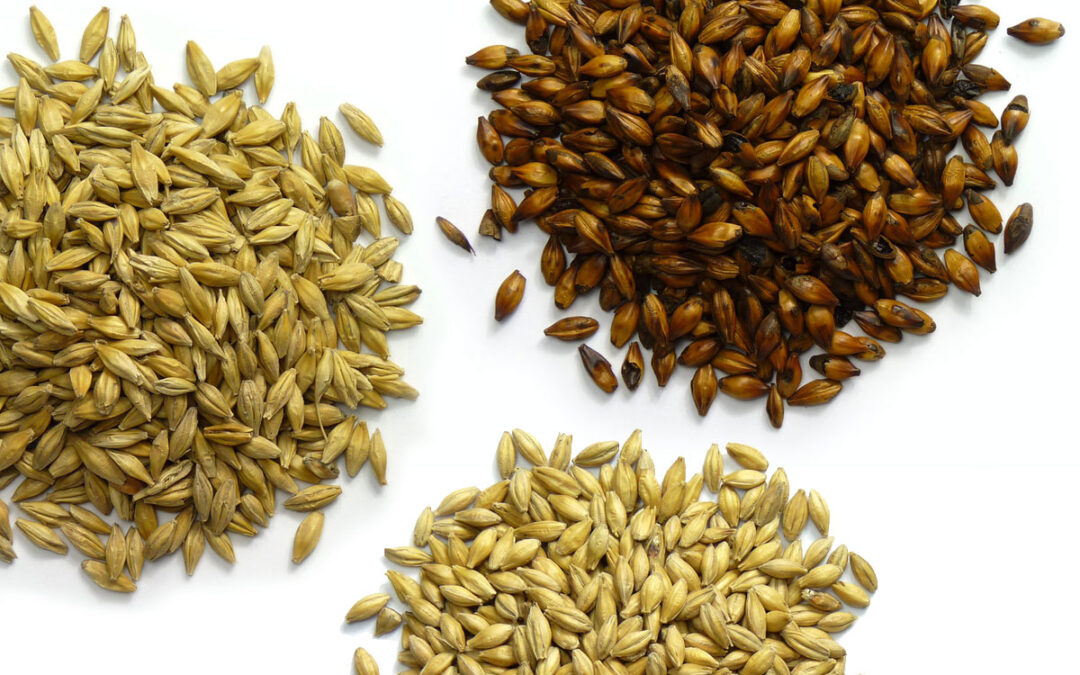
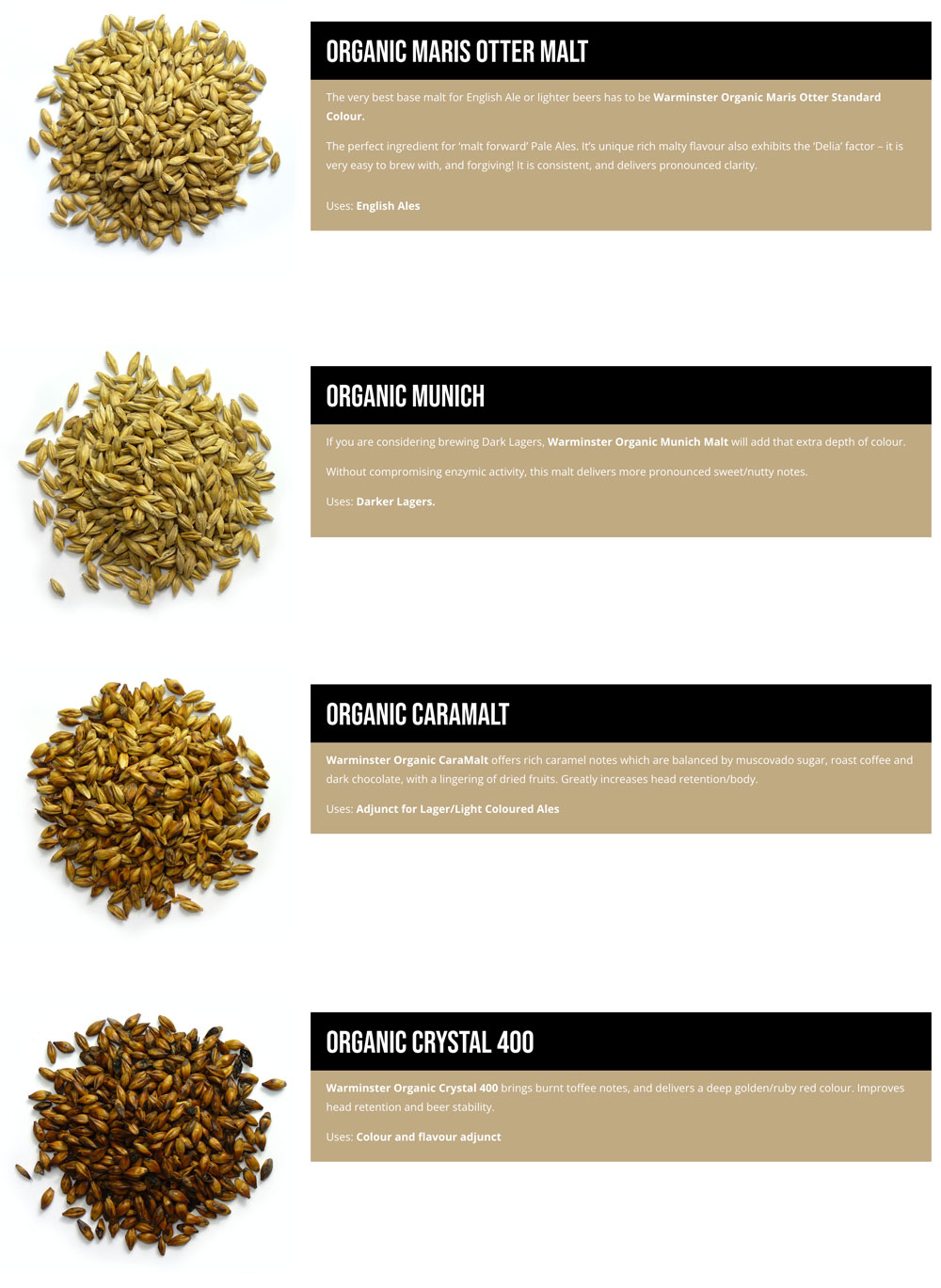
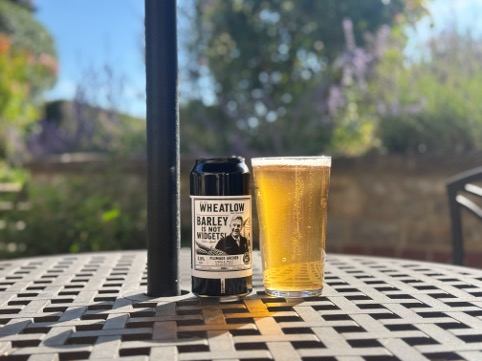
The barley and ‘terroir’ does matter. They can make subtle but distinctive differences to beer. At Warminster Maltings, we began pointing this out nearly 20 years ago, but with a limited response. However today we are helping a number of brewers to achieve this. It’s a ‘unique selling point’ against which larger breweries cannot compete. It does, of course, need promoting and advertising. But when your brewery name is not on the pub sign, it could be another way of ensuring it is, at least, in the glass!

Robin Appel

A Call to Arms……and to The Pub!

A Call to Arms……and to The Pub!

A Call to Arms…and to The Pub!  

If you enjoy a visit to the pub from time to time, you might have noticed that the trade has suddenly slowed down. It seems that in September the great British public just stopped spending money, and it is not just down at the pub.

This, of course, has had a noticeable impact on malt sales, including ours at Warminster. Our industry is already impacted by a significantly reduced demand for malt in Scotland where distilleries are struggling to cope with a huge bout of indigestion. At least that is how analysts describe the problem with whisky. A problem that they say, based on historical evidence, might resolve itself over the next 12 or 24 months.

But there is an overriding question that is open to debate: to what extent is any of this down to a sea-change in drinking habits? To what extent is a whole new generation turning against alcohol, and therefore, unconsciously, contributing to the demise of British Beer, the closure of pubs and bars, and threatening the whole of our supply trade?

The good news is that as far as our sector is concerned, there is an urgent industry wide discussion already taking place, with all stakeholders, from farmers to publicans, contributing. Everything is being talked about from the promotion of British Beer, to how brewers and publicans might address the excuse for not visiting the pub “because it is too expensive”. The latter is partly about the price of a pint, of course, but also the need to change the food offer to simpler and cheaper quality menus.

We, at Warminster Maltings, have ‘signed up’ to do our bit towards addressing this challenge. We are currently channelling our thoughts through the Maltsters Association of Great Britain (MAGB), the maltsters spokesman for the industry wide discussions. But we will be happy to consider other initiatives if invited.

In a very recent survey of our greatest British Icons, ‘British Beer’, and ‘The Pub’ were right up there at the top alongside the ‘Royal Family’. Over recent years the Royals have worked very hard to protect their status, and we now need to work hard to protect ours. Do, please, let us know your views, and anything more we can do to help.

The Maltings Team

Harvest Review

Harvest Review

Harvest Review 2025

We have just recorded the hottest summer on record, so it is not surprising that our harvest has been one of the earliest in the last 20 years. The sun came out in the third week of February – it has almost been wall to wall sunshine ever since – and the combine harvesters were out before the end of June. It is not what we are used to.

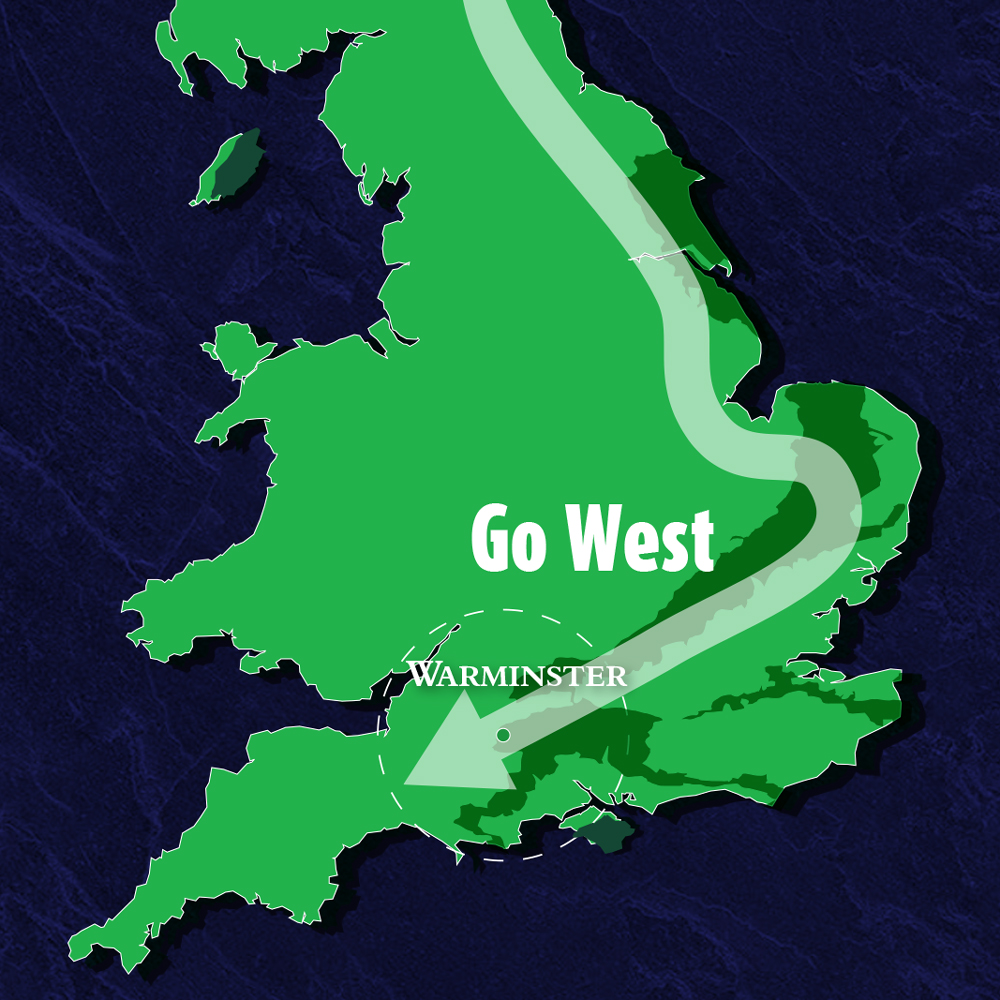
The problem has been that our beautiful summer has hardly been punctuated by any rainfall. Barley crops respond to rains in May, and, for the most part they did not get them. For those crops on moisture retentive soils, like the chalk soils that surround Warminster, barleys have endured. On lesser soils, like the Cotswold brash, and the sandier soils of East Anglia, they have not. So the overall outcome is somewhat like the ‘curates egg’, good in places, but high nitrogen’s and high screenings elsewhere. 

First off the fields have been the winter barleys, ahead of the warmest weather curve. Much of this crop has produced yields in line with the 5 year average, including Maris Otter, but with grain nitrogen content which varies between parcels, with some too high to make the grade. However, there is a carryover of 2024 crop which should comfortably mitigate this outcome.

Spring barleys, much of which is still Laureate, bear all the hallmarks of a hot dry summer – lower yields and high grain nitrogen content. But many samples off the chalk soils are exhibiting big bold grains, bulging with starch. This should spell high extracts and high spirit yield. It is a legacy of all that sun, for which there is no substitute, and is usefully described by some as nature’s disinfectant. But, again, grain nitrogen’s are also very variable, some right off the chart.

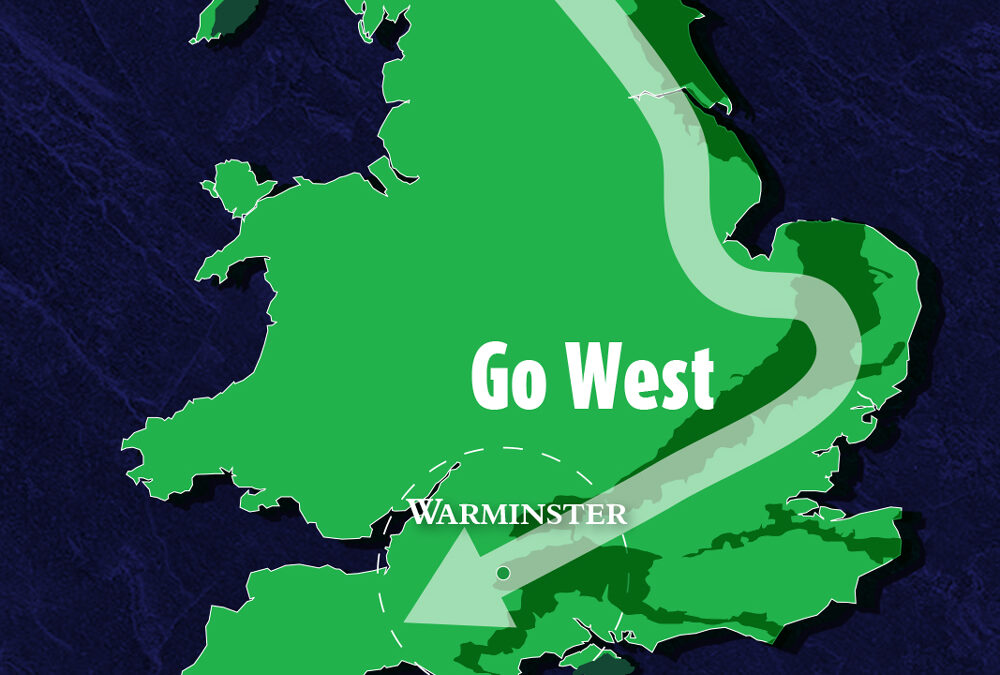
But all the barley is dry, and safe, for long term storage. We, as maltsters, just have to ‘cherry pick’ our way through the samples. Probably the best of the national crop is across central southern England, so on our doorstep. It is now our job to make sure we keep it here.

Robin Appel