Welcome to Warminster Maltings
What is malt?
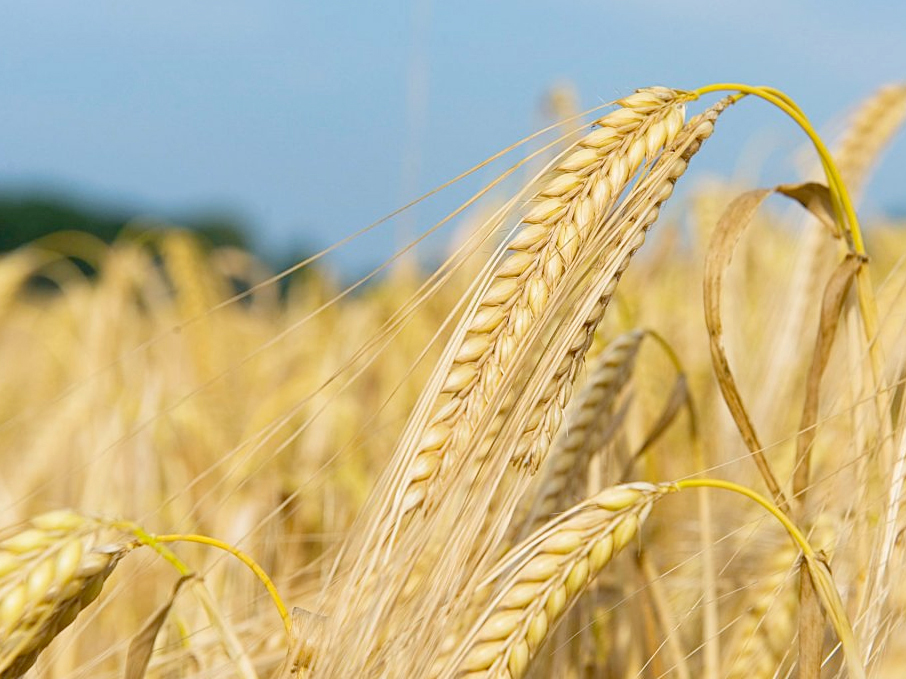
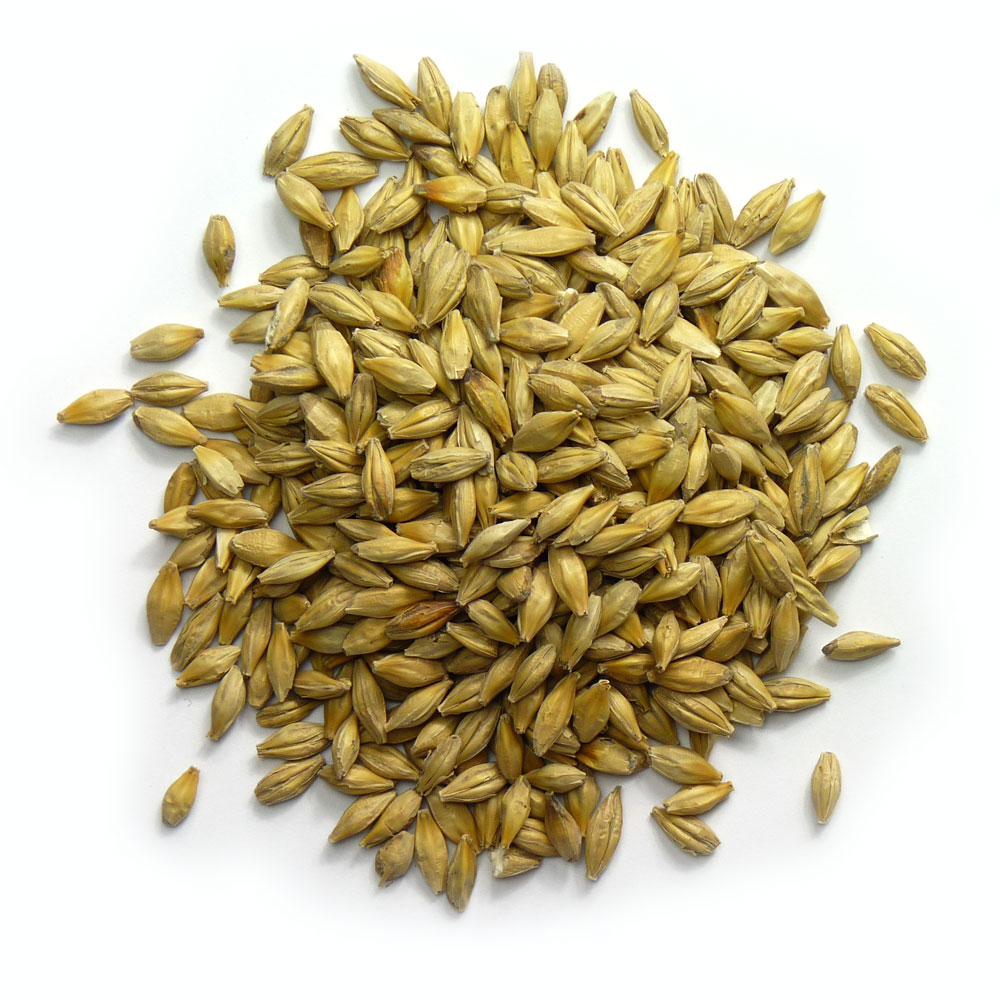
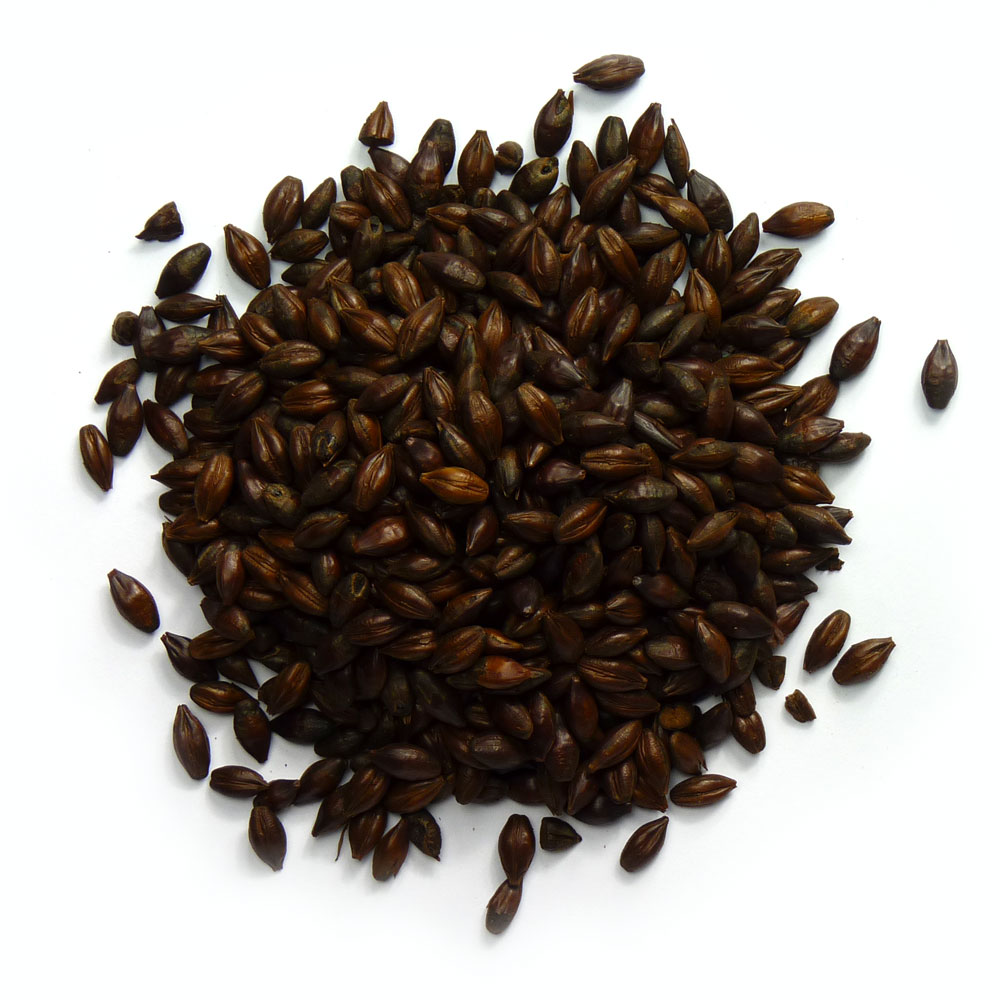
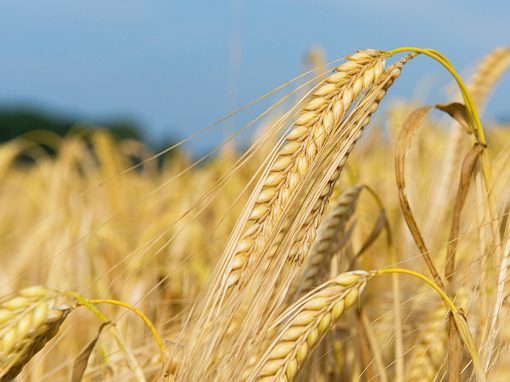
Malt is grain, mostly barley, which has been artificially germinated in order to ‘kickstart’ the conversion of it’s high starch content into fermentable sugars, which brewers and distillers complete, to produce alcoholic beverages.
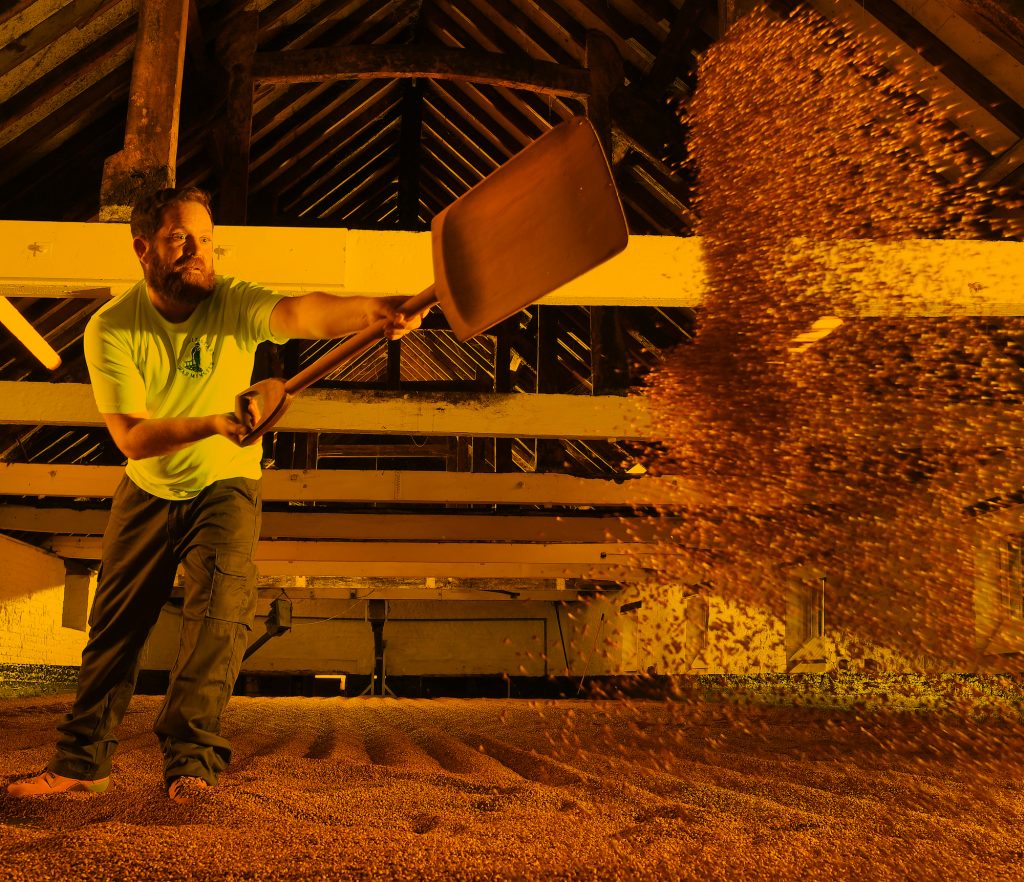
We select our barleys by eye, and make our malts by hand. These are the procedures which have prevailed at our malthouses for more than 170 years, and are fundamental to their very special quality.

CLICK HERE FOR FURTHER INFOMATION

CLICK HERE FOR FURTHER INFOMATION
SELECTION
PRODUCTION

DISPATCH

SUSTAINABILITY




Sustainable, Resilient and Equitable!
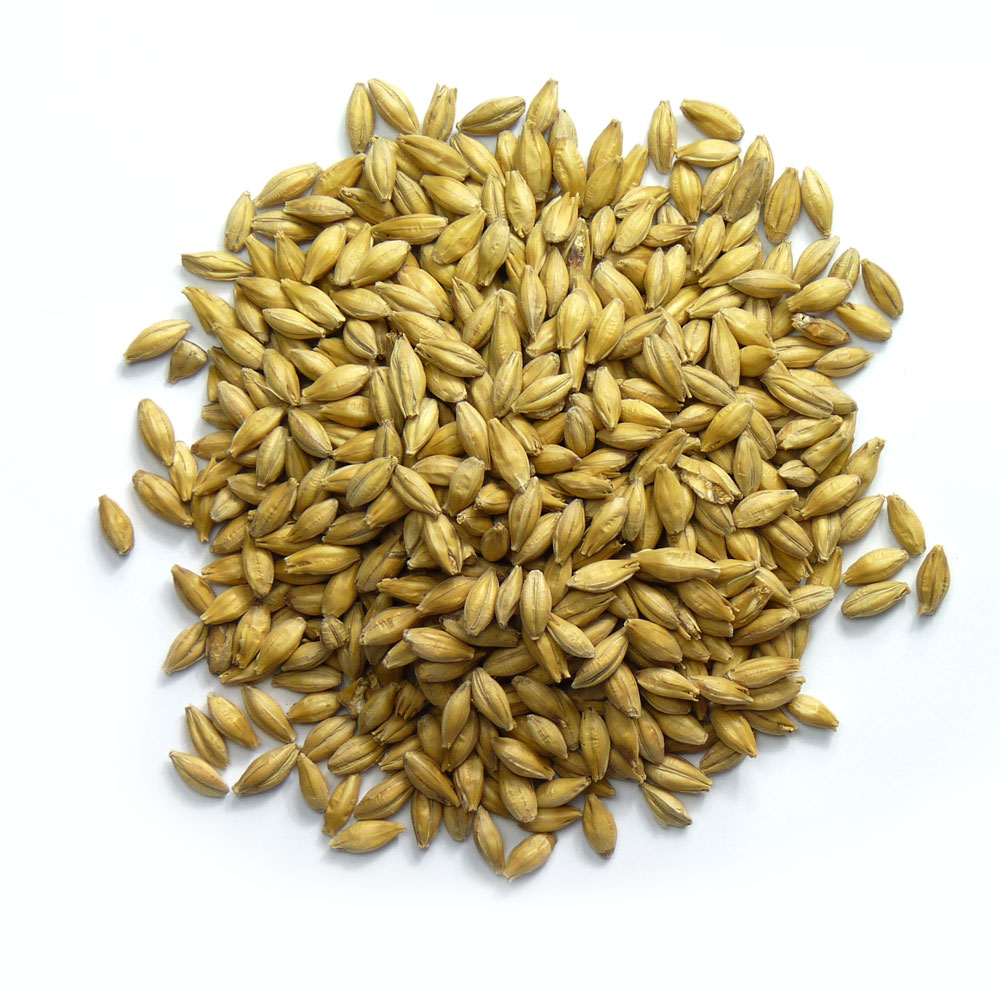
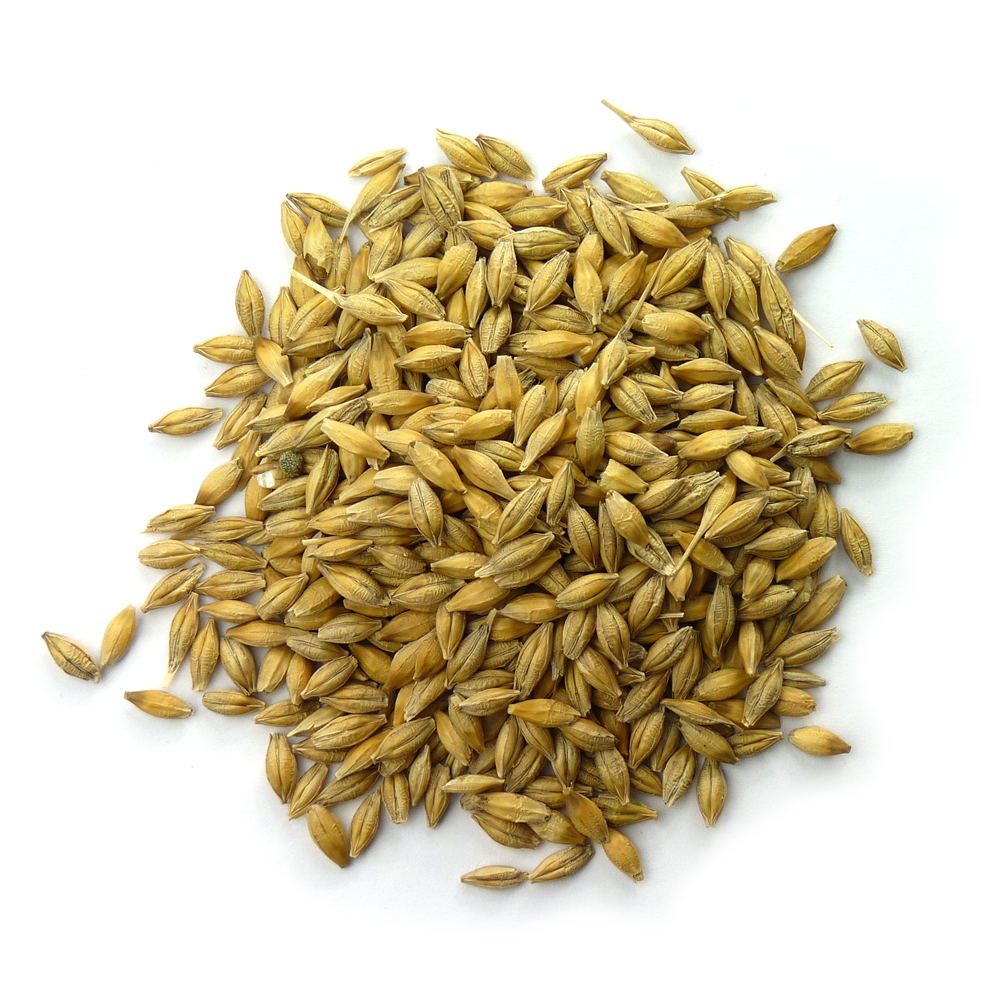
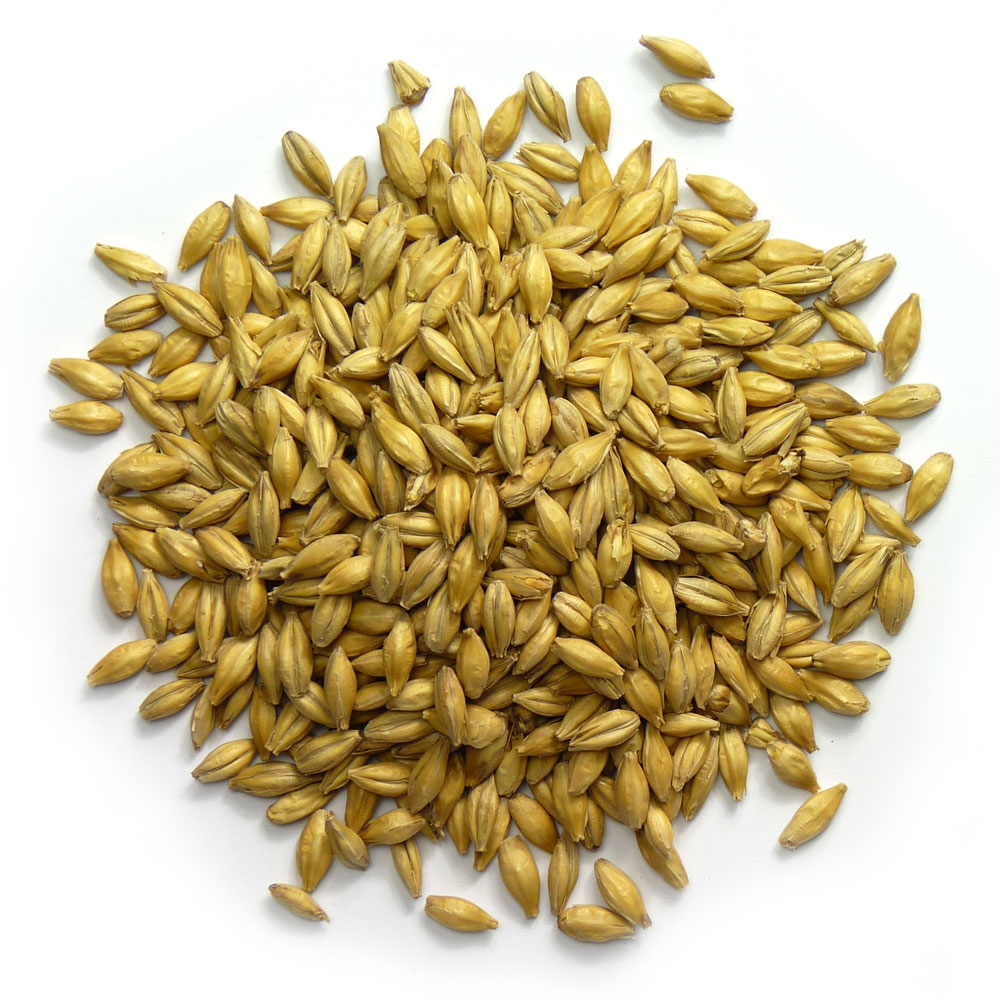
Warminster Malts stand out for their very low carbon footprint. Barley grown sustainably on local Icknield soils, continues to be modified naturally by hand, just as it has been for more than 170 years. Our very traditional and visible procedures deliver both pronounced quality and character.

Sustainable, Resilient and Equitable!
Warminster Malts stand out for their very low carbon footprint. Barley grown sustainably on local Icknield soils, continues to be modified naturally by hand, just as it has been for more than 170 years. Our very traditional and visible procedures deliver both pronounced quality and character.
Floor Made – More Natural, More Sustainable
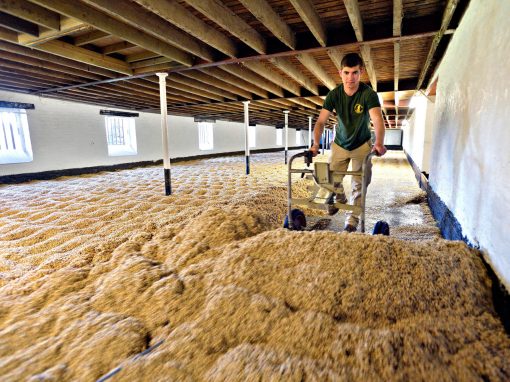
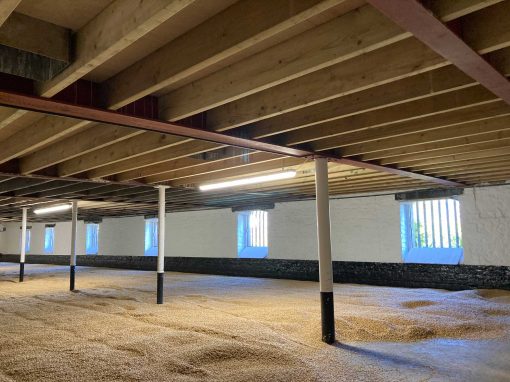
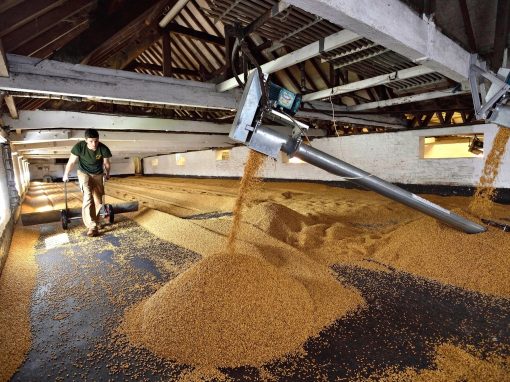
Like all food processing, slower is better. Our maltings was designed to follow gentle procedures, allowing for the optimum expression of the barley’s properties. Our germination floors are the perfect environment to optimize the ‘modification’ of the barley’s starch into the sugary substance called maltose.
Water comes from our own well, sunk deep below the malthouse into the chalk substrata. The temperature of this water is a stable 52F, winter and summer alike, perfect for the first stage of the malting process. Steeping the barley in water over 3 days is critical to triggering germination, the next stage in the process.
Ventilation and temperature control of the germination floors is vital to the ‘modification’ of the ‘green malt’. We work with the ambient temperatures, closing the window shutters when it is cold, and opening them when it is warm. The layout of the malthouses with its central wedge-shaped courtyard is a blueprint of the classic Victorian maltings. The complex was designed for purpose, exploiting nature’s elements.
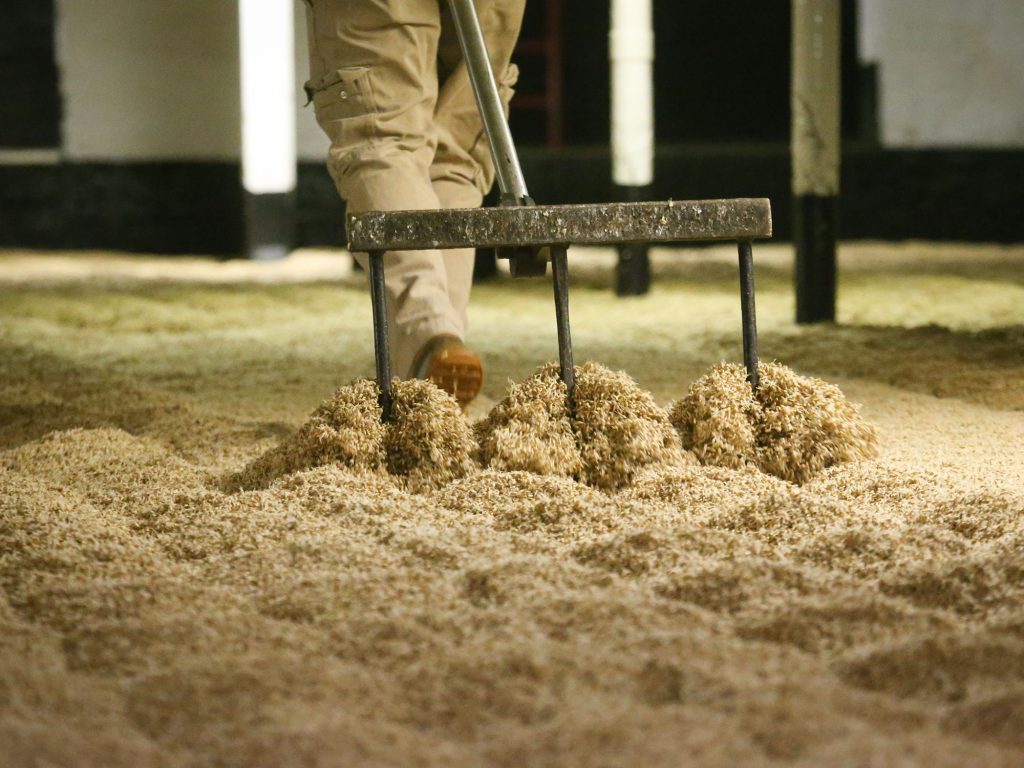
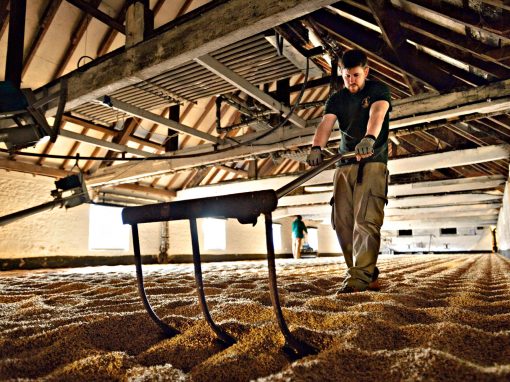
Passage of the green malt through the process still depends more on manpower than on fossil fuels. The maltsters are permanently armed with a malt shovel, from steep to kiln, with other hand tools (malt ploughs, turners and levellers) completing the inventory of processing aids. At Warminster, manpower is one of our most valuable, versatile and sustainable resources. It is why our customers refer to our team as “the Malt-Stars of Warminster”.
Robin Appel

Floor Made – More Natural, More Sustainable
Like all food processing, slower is better. Our maltings was designed to follow gentle procedures, allowing for the optimum expression of the barley’s properties. Our germination floors are the perfect environment to optimize the ‘modification’ of the barley’s starch into the sugary substance called maltose.
Water comes from our own well, sunk deep below the malthouse into the chalk substrata. The temperature of this water is a stable 52F, winter and summer alike, perfect for the first stage of the malting process. Steeping the barley in water over 3 days is critical to triggering germination, the next stage in the process.
Ventilation and temperature control of the germination floors is vital to the ‘modification’ of the ‘green malt’. We work with the ambient temperatures, closing the window shutters when it is cold, and opening them when it is warm. The layout of the malthouses with its central wedge-shaped courtyard is a blueprint of the classic Victorian maltings. The complex was designed for purpose, exploiting nature’s elements.
Passage of the green malt through the process still depends more on manpower than on fossil fuels. The maltsters are permanently armed with a malt shovel, from steep to kiln, with other hand tools (malt ploughs, turners and levellers) completing the inventory of processing aids. At Warminster, manpower is one of our most valuable, versatile and sustainable resources. It is why our customers refer to our team as “the Malt-Stars of Warminster”.
Robin Appel
Floor Made – More Natural, More Sustainable
Like all food processing, slower is better. Our maltings was designed to follow gentle procedures, allowing for the optimum expression of the barley’s properties. Our germination floors are the perfect environment to optimize the ‘modification’ of the barley’s starch into the sugary substance called maltose.
Water comes from our own well, sunk deep below the malthouse into the chalk substrata. The temperature of this water is a stable 52F, winter and summer alike, perfect for the first stage of the malting process. Steeping the barley in water over 3 days is critical to triggering germination, the next stage in the process.
Ventilation and temperature control of the germination floors is vital to the ‘modification’ of the ‘green malt’. We work with the ambient temperatures, closing the window shutters when it is cold, and opening them when it is warm. The layout of the malthouses with its central wedge-shaped courtyard is a blueprint of the classic Victorian maltings. The complex was designed for purpose, exploiting nature’s elements.
Passage of the green malt through the process still depends more on manpower than on fossil fuels. The maltsters are permanently armed with a malt shovel, from steep to kiln, with other hand tools (malt ploughs, turners and levellers) completing the inventory of processing aids. At Warminster, manpower is one of our most valuable, versatile and sustainable resources. It is why our customers refer to our team as “the Malt-Stars of Warminster”.
Robin Appel

Latest from the Malt-stars News
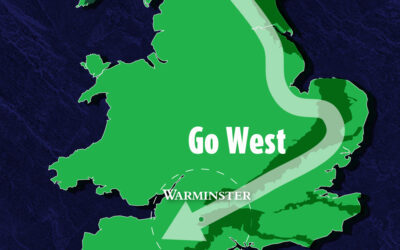
Climate Dilemma for UK Malt?
Apart from Warminster Maltings and, only Warminster Maltings, UK malt production is concentrated all along the eastern seaboard of the British...
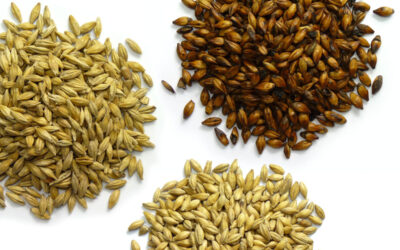
The Organic Market is Booming!
The Organic Market is Booming!Organic brewers, and those considering it, will be heartened by recent reports that the growth in organic food sales,...

Edition 66: Friends of Warminster Maltings
A Disappointing HarvestIt has been widely reported that this year’s cereal harvest has been very disappointing. The late Spring, due to a very wet...
“Barley Is Not Widgets”
“Barley Is Not Widgets”.“Barley is not widgets” are the words of Robin Appel when addressing brewers and distillers visiting Warminster Maltings....
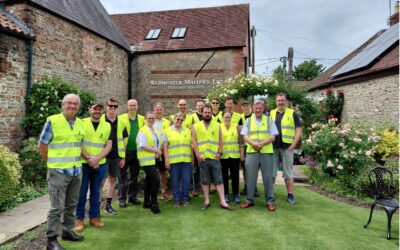
Edition 65: friends of Warminster maltings
VAT’s The Problem! You may well already be aware of this initiative, we’ve actually written about it previously, but we feel it’s worth talking...
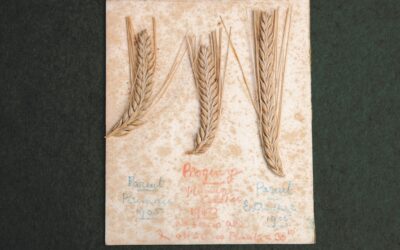
Heritage Ales…
Heritage Ales…The recent revelation that Heritage Ales such as Bass, Boddingtons and Theakston’s Old Peculiar are experiencing a surge in demand...
Friends of Warminster Maltings: Newsletter Signup Form