
Climate Dilemma for UK Malt?
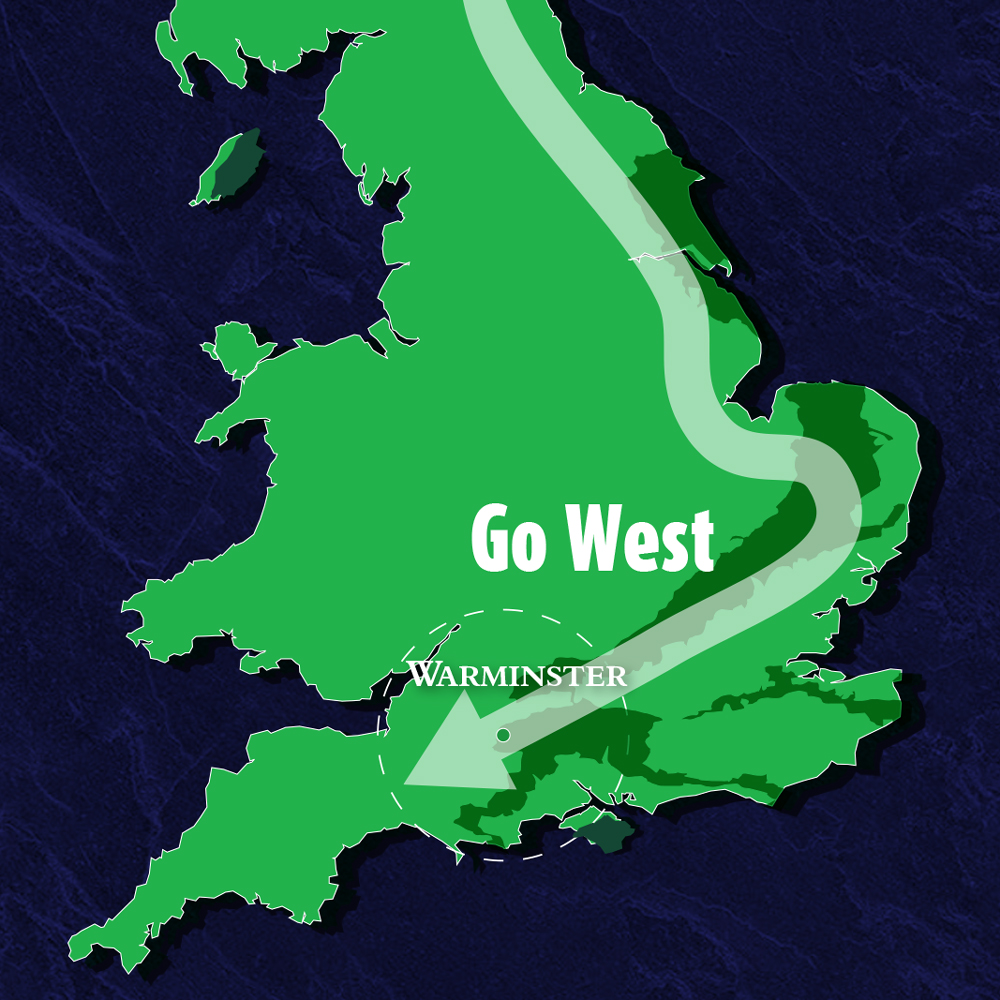
Apart from Warminster Maltings and, only Warminster Maltings, UK malt production is concentrated all along the eastern seaboard of the British Isles. From Mistley in Essex, all the way up to the Moray Firth in Scotland, the industry has polarised in the east of the country based on the prevailing soil types that have traditionally produced the better quality malting barleys each harvest. Perhaps not anymore!
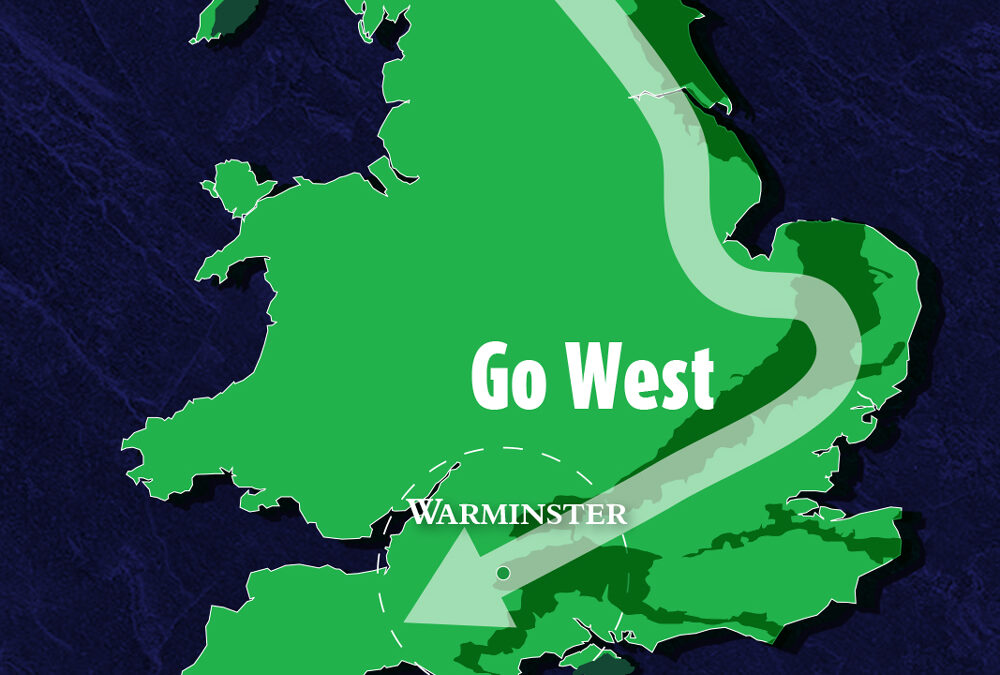
Recent headlines, such as “At least seven months of relentless rain needed”, spells out the problem. For two decades or more East Anglia has been getting drier and drier, and it is impacting the production of the finest quality malting barleys in once renowned areas like West Norfolk. Add to the reduced rainfall, the consequences of serial heatwaves and malting barley production is fast becoming a much higher risk crop for farmers on that side of the country. The message to them is quite clear, the UK’s malting barley crop needs to ‘Go West’!
And it can, because Hampshire, Wiltshire and Dorset is predominantly the Icknield Series soil type, the best soil type for growing malting barleys. Even further west, as far as Cornwall, farmers are demonstrating their ability to produce top quality malting barleys, continuously, year in, year out.
The UK malting industry is unlikely to follow; it will just have to pick up the extra freight costs of sourcing barleys much further away from their factories.
At Warminster Maltings we have long advocated “Local barley for local malt for local beer”. This has always been a lonely voice, now it increasingly looks like the only voice!